
Join today and save! Use code Guest2Member15 for 15% off your membership.
If you have an existing account with us, please login before making a purchase.
One of my favorite Buddhist sayings is, “When the sunshine of loving-kindness meets the tears of suffering, the rainbow of compassion appears.”It’s a beautiful description of the relationship between loving-kindness and self-compassion. Many people think of loving-kindness and self-compassion as essentially the same thing. They are certainly close cousins, but there is an important distinction.
Loving-kindness is the sincere wish for ourselves and others to be well, safe, and at peace. It’s an attitude of goodwill that isn’t dependent on what’s happening in our lives. We can practice loving-kindness when we’re feeling calm or happy, and when we’re falling apart at the seams. The intention remains the same. What changes is what we’re directing our goodwill toward.
When the sunshine of loving-kindness falls on the good things in our lives, gratitude naturally appears. We might appreciate a moment of beauty, savor a success, or feel thankful for the people we love. It helps us acknowledge our blessings.
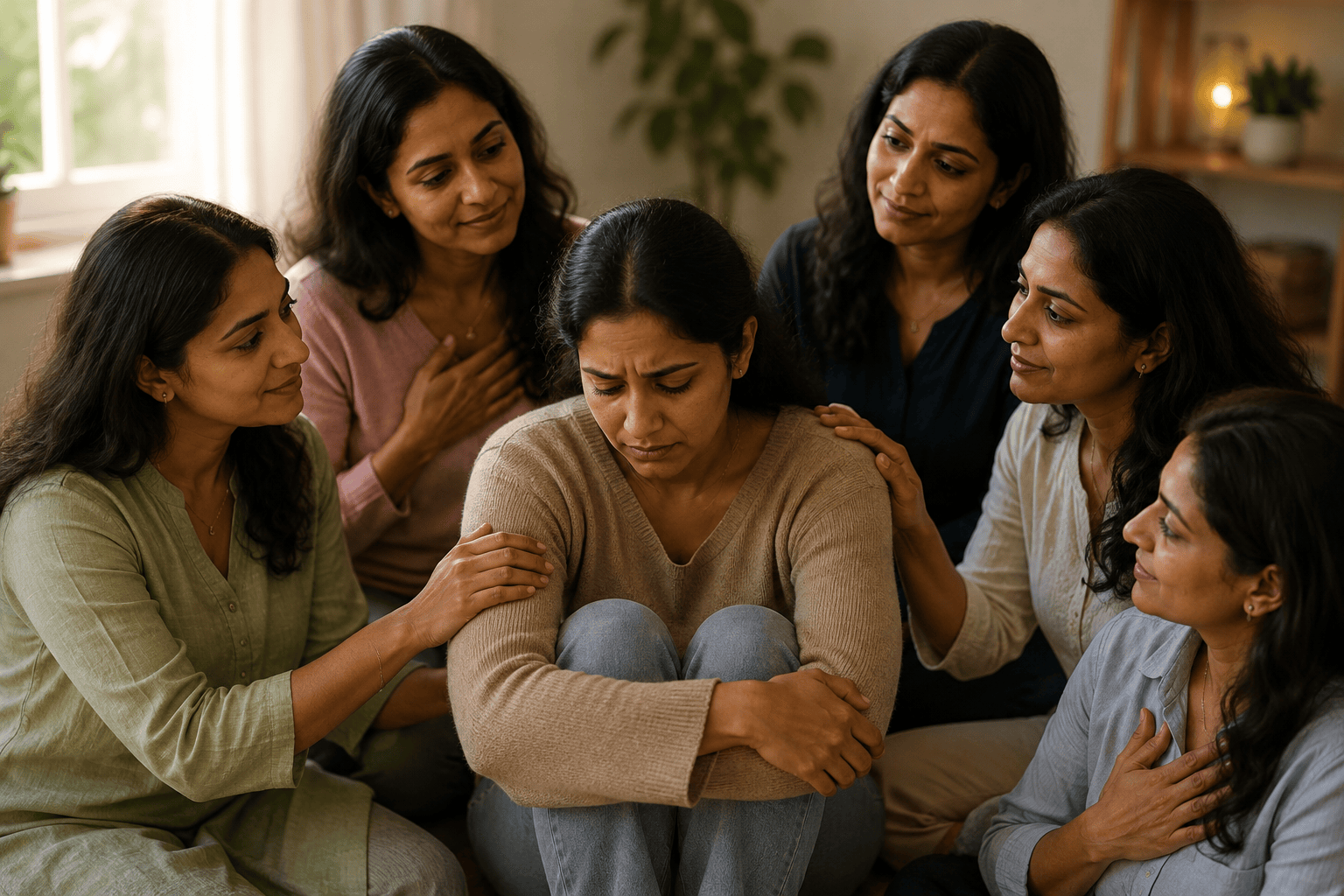
When that same sunshine falls on suffering – even our own – compassion appears. Instead of turning away from our pain or feelings of inadequacy, blaming ourselves, or resisting the present moment, we respond with care.
Research supports this understanding. Studies have found that cultivating warmth and benevolence through loving-kindness meditation increases positive emotions like gratitude and purpose in life. A recent meta-analysis also found that it significantly increases self-compassion.
This month I’m sharing a guided loving-kindness meditation with you. It’s designed to make it easier to cultivate goodwill toward ourselves by starting with someone we naturally adore, then gradually letting ourselves bask in that same sunshine.
It’s important to remember that loving-kindness isn’t sugar-coating our pain or overlooking our mistakes. It’s light and warmth actually helps us to see more clearly – what hurts, what went wrong, and what we might do differently next time. When we know we have our best interests at heart, it’s easier to open to difficult thoughts and emotions instead of avoiding them.
At the same time, when things are going well, it helps us not take them for granted. Loving-kindness is the source of both gratitude and compassion. It spurs us to count our blessings and tend to our wounds. Both are essential to living a deeply meaningful life.
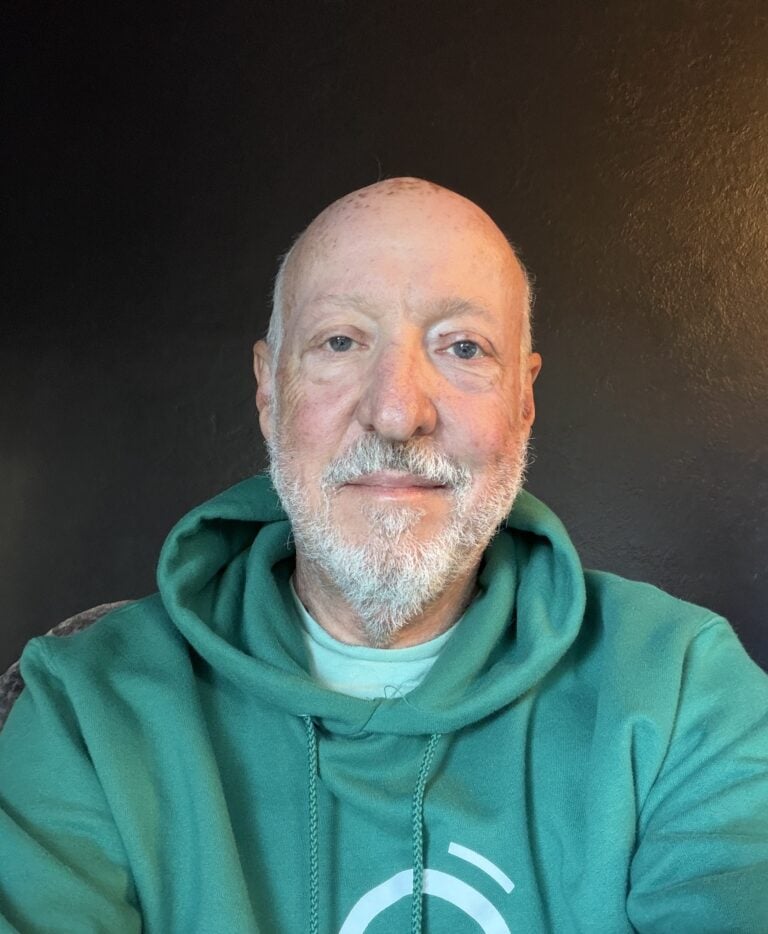
Steve Hickman is a co-developer of the Mindful Self-Compassion Teacher Training, a retired clinical psychologist and the Founding Director of the UC San Diego Center for Mindfulness. Steve has taught self-compassion and mindfulness across the globe, and is the author of Self-Compassion for Dummies.
We’d love you to welcome him. You can register ahead of time, or just drop in!

Scholarship Rates