

Join today and save! Use code Guest2Member15 for 15% off your membership.
If you have an existing account with us, please login before making a purchase.
May is Mental Health Awareness Month, and I’ve been reflecting on what mental wellness actually means. I’ve come to see it as something quite simple and immediate. It’s the willingness to turn inward, moment by moment, and ask ourselves one essential self-compassion question:
What do I need?
The interesting thing is that the answer is not always the same. Different minds, different nervous systems, different mental health conditions, and different moments require different forms of care.
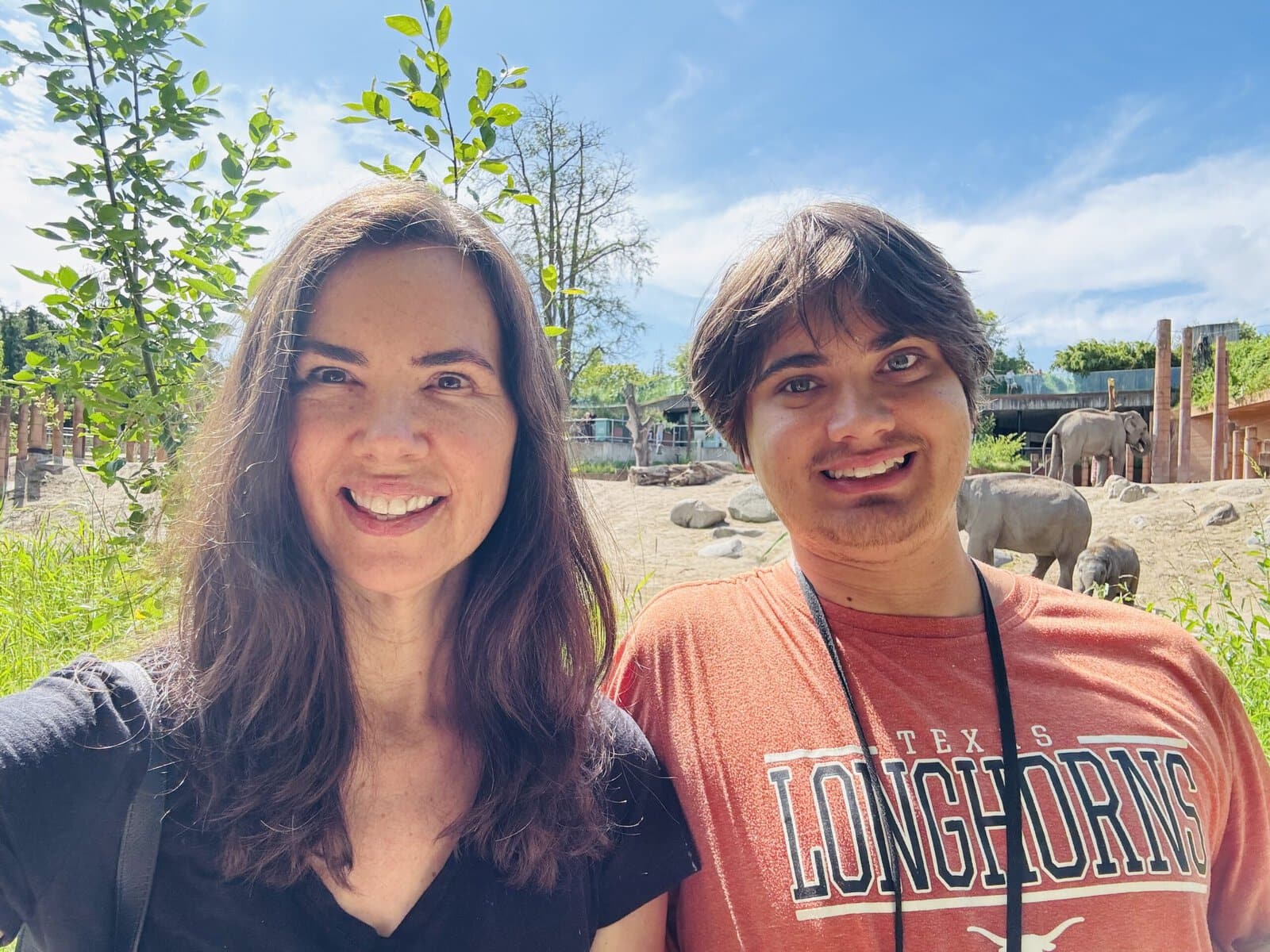
My son Rowan has OCD (in addition to autism), which is largely driven by uncertainty. When he gets caught in an OCD loop, his mind urgently searches for reassurance. One of his fears, for example, is that they may someday pass a law outlawing zoos. Rowan loves zoos, so the fear can become very distressing for him.
What’s difficult about OCD is that giving him reassurance to try to lessen his uncertainty often makes the cycle stronger. The most helpful response is not, “Don’t worry, it’s unlikely that they would ever ban zoos.” The most helpful response is actually something much harder – to turn toward the uncertainty: “We don’t know.”
Not coldly or dismissively, but gently and compassionately – “we don’t know” – and then staying with the uncertainty together. An OCD loop is not a rational and logical thought process: It’s the irrational compulsion to get rid of the discomfort of uncertainty. So the most compassionate thing to do for Rowan in that moment is to help his brain learn that uncertainty is tolerable.
Often healing involves learning how to be with emotional discomfort directly, without trying to make it go away. But self-compassion is not one-size-fits-all.
I have temporal lobe epilepsy, which means I occasionally experience small seizures in my temporal lobe. For me, it manifests as a strange feeling of dream déjà vu when doing something ordinary (shopping, for instance), and the thought arises, “Didn’t I dream about this before?” The uncertainty of not knowing whether I had dreamt this before is extremely uncomfortable and is typically accompanied by a powerful wave of dread.
When I first started having these symptoms, I tried to approach them the way I might approach feelings of dread or uncertainty in meditation practice. I tried to stay present with the feelings compassionately. But when I did that, it actually prolonged the seizures and made them worse.
Eventually, I learned that what I needed was something entirely different. I needed to move my attention away from my feelings of uncertainty and dread altogether. I would place all my attention into my right toe, moving it as far away from the experience as possible. What I needed was not deeper presence with the difficult feelings, but stabilization.
This is why I think the question “What do I need?” is so important. Sometimes healing asks us to bravely stay with difficult emotions. Sometimes healing asks us to ground, distract, orient, stabilize, and care for ourselves by stepping back from difficult feelings.
Wellbeing is not about following one rigid formula. It’s about learning to listen wisely and compassionately to our own minds and bodies.
This month, I’m including two practices: one to help you stay with difficult feelings compassionately, and another to help you ground and stabilize when difficult feelings become too much.
As we move through the various mental health challenges we will inevitably encounter, my hope is that we can all pause, moment by moment, and ask ourselves the quintessential self-compassion question: What do I need?
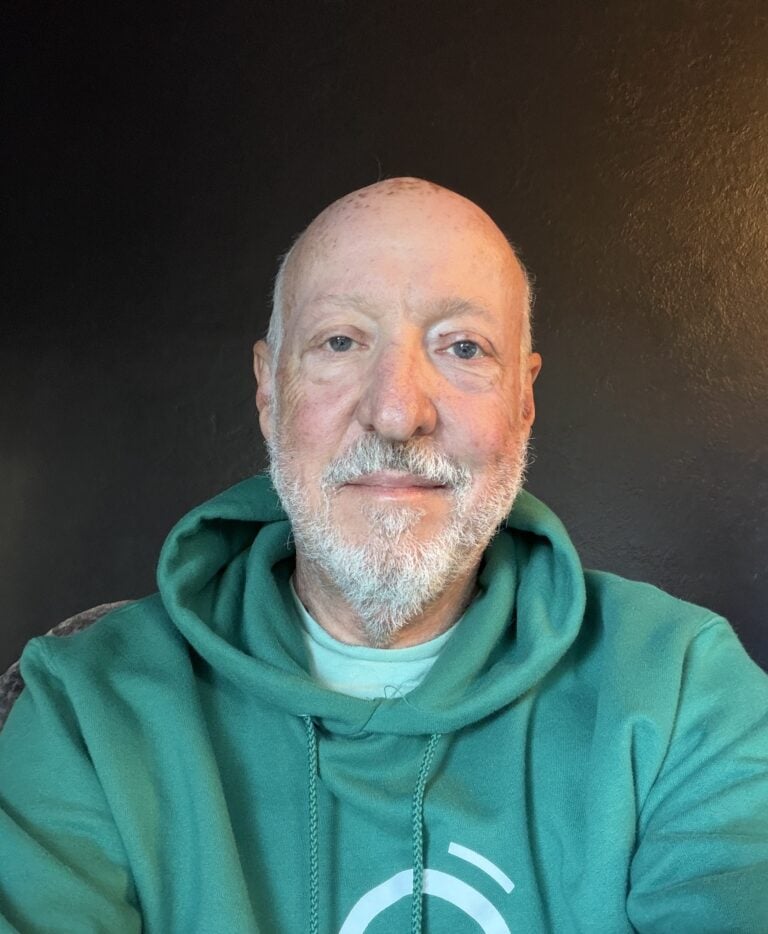
Steve Hickman is a co-developer of the Mindful Self-Compassion Teacher Training, a retired clinical psychologist and the Founding Director of the UC San Diego Center for Mindfulness. Steve has taught self-compassion and mindfulness across the globe, and is the author of Self-Compassion for Dummies.
We’d love you to welcome him. You can register ahead of time, or just drop in!

Scholarship Rates