
Join today and save! Use code Guest2Member15 for 15% off your membership.
If you have an existing account with us, please login before making a purchase.
As I talk with people in my various communities, one theme comes up over and over again: life feels stressful and overwhelming.
For some, it’s the relentless pressure of work. For others, it’s caring for children or aging parents, navigating health challenges, financial worries, or simply trying to keep up with the demands of everyday life. Add to that the uncertainty of our current political and social climate, and it’s no surprise that so many of us feel overwhelmed.
When we feel stretched beyond our limits, we often assume there’s something wrong with us. We tell ourselves we should be stronger, more resilient, or better able to handle it all. We compare ourselves to others who seem to be coping just fine. We judge ourselves for feeling stressed, anxious, depleted, or ready to give up. Ironically, this self-criticism only adds another burden to an already overloaded system.
Our bodies respond to chronic stress in remarkably intelligent ways. When they sense that the demands we’re facing exceed our capacity to cope, they begin to conserve energy. We may feel emotionally numb, lose motivation, withdraw from others, or find ourselves unable to get up from the couch. While these responses can be frustrating, they’re often our nervous system’s attempt to protect us from complete exhaustion.
The good news is that shutting down isn’t the only way to respond to stress. Self-compassion offers another path.
Self-compassion isn’t fairy dust that can magically remove the challenges in our lives. The deadlines remain, the diapers still need changing, the news is just as disheartening as ever. But self-compassion transforms how we relate to those challenges.
Instead of adding shame to our stress, we offer ourselves understanding. Instead of judging ourselves for struggling, we recognize that struggling is part of being human. Instead of facing our difficulties alone, we become our own ally.
Imagine that you’re preparing to go into battle. Which would make you stronger? Having someone beside you who continually tells you you’re weak, failing, and not good enough? Or having someone who reminds you that this is hard, believes in your ability to get through it, and offers steady encouragement and support?
Research consistently shows that self-compassion increases emotional resilience, promotes healthier coping, and reduces stress and burnout. When we acknowledge that we’re hurting, remember that we’re not alone in feeling this way, and respond to ourselves with warmth and care, our nervous system begins to settle. We stop wasting precious energy fighting ourselves, freeing it to meet the challenges in front of us.
I’m including a guided practice called Self-Compassion for Stress and Burnout that’s designed to help you hold your own stress and feelings of overwhelm with warmth, kindness, and support. Instead of abandoning yourself in your hour of need, you can become your own ally – with yourself every step of the way.
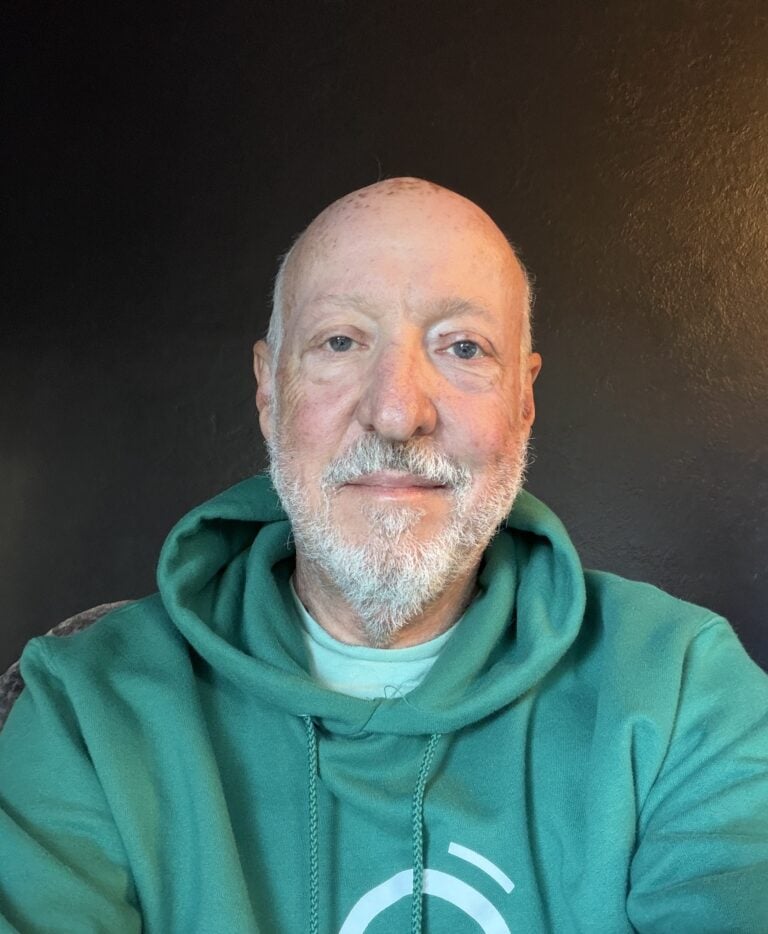
Steve Hickman is a co-developer of the Mindful Self-Compassion Teacher Training, a retired clinical psychologist and the Founding Director of the UC San Diego Center for Mindfulness. Steve has taught self-compassion and mindfulness across the globe, and is the author of Self-Compassion for Dummies.
We’d love you to welcome him. You can register ahead of time, or just drop in!
Scholarship Rates