

Join today and save! Use code Guest2Member15 for 15% off your membership.
If you have an existing account with us, please login before making a purchase.
Fierce self-compassion involves taking action to protect ourselves and meet our needs, even when doing so is uncomfortable. While tender self-compassion allows us to accept ourselves with warmth and understanding, fierce self-compassion helps us stand up for ourselves. One of the most important ways we can do this is by drawing healthy boundaries. Boundaries let others know what behavior we’re willing to accept and what we’re not, as well as what we can and cannot give.
Of course, drawing boundaries isn’t always easy. Many of us were taught from an early age that being good meant being agreeable, helpful, and accommodating. We may have received love and approval when we complied with others’ wishes, and disappointment or anger when we didn’t. Over time, we can start to believe that our worth depends on making other people happy. Saying no can then feel selfish, even when it’s exactly what we need to do.
One of the gifts of self-compassion is that it helps us become less dependent on other people’s approval. When we know that our worth isn’t contingent on being liked, we have more freedom to act with integrity. We can tolerate someone else’s disappointment without automatically assuming we’ve done something wrong. We can recognize that their feelings matter, but so do ours.
If we continually ignore our own needs to please others, resentment often builds, making it harder to feel genuinely loving and generous. Healthy boundaries can actually strengthen our relationships because they allow us to give freely rather than out of obligation.
Drawing boundaries doesn’t have to involve being harsh or uncaring, of course. We can be firm and kind at the same time. We might say, “I’d really like to help, but I just don’t have the time right now,” or “I care about our relationship, but I’m not comfortable with the way you’re speaking to me.” We don’t have to justify our needs at great length or convince the other person that our boundary is reasonable. Sometimes a simple, respectful no is enough.
The next time you feel torn about whether to say yes or no, you might pause and ask yourself: What do I really need right now? Am I agreeing because I genuinely want to, or because I’m afraid of how the other person will react? What would it look like to be fiercely compassionate toward myself in this situation?
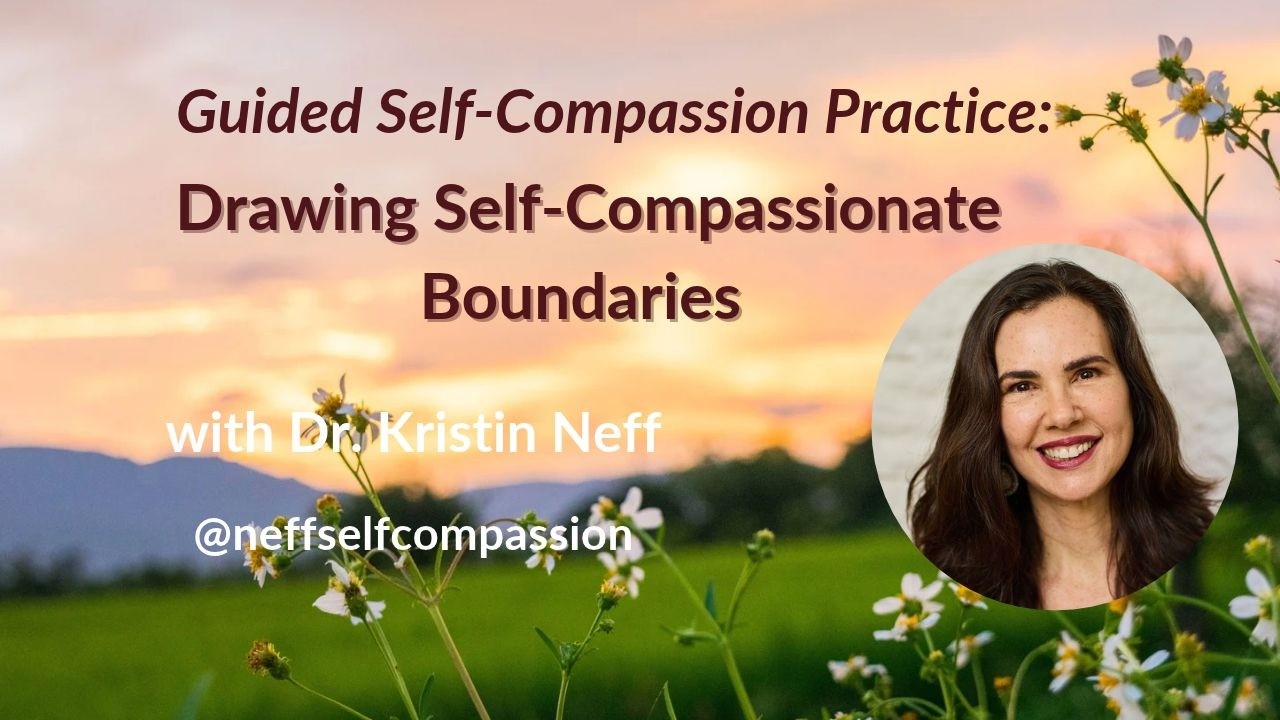
To help you explore these questions, I’m sharing a guided practice called Drawing Self-Compassionate Boundaries. It’s designed to help you connect with your inner strength while remaining grounded in kindness. (I’m sharing the video version of this practice, and you should know that all the guided practices on my website are available in both audio and video format.)
I hope you give the practice of drawing self-compassionate boundaries a try. Sometimes, the most loving thing we can do for ourselves and our relationships, is to say no.
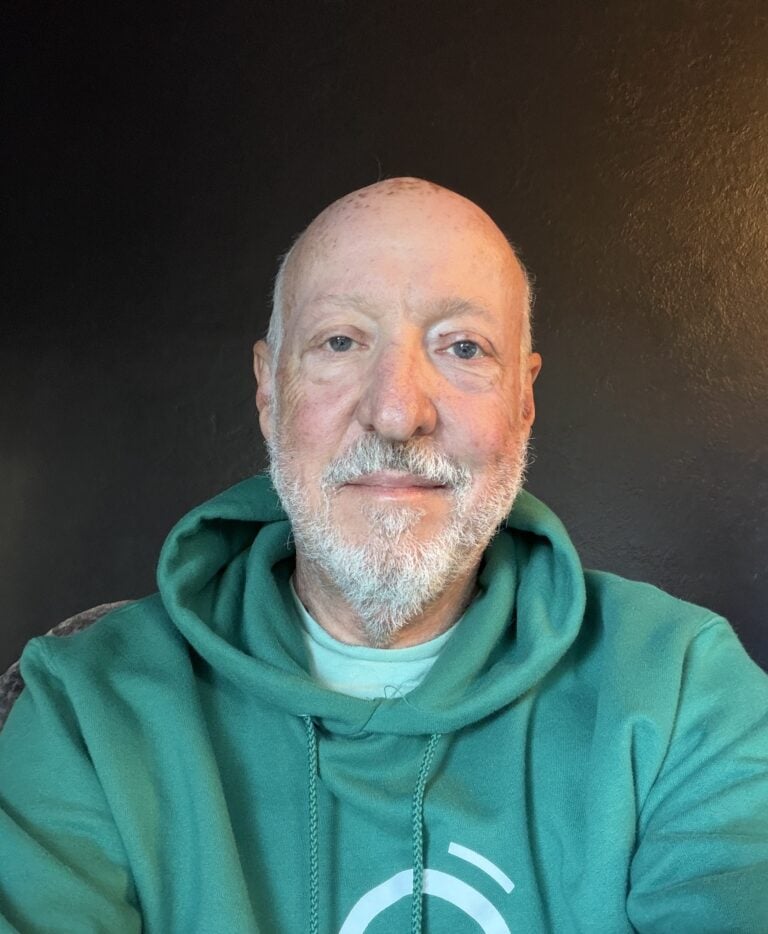
Steve Hickman is a co-developer of the Mindful Self-Compassion Teacher Training, a retired clinical psychologist and the Founding Director of the UC San Diego Center for Mindfulness. Steve has taught self-compassion and mindfulness across the globe, and is the author of Self-Compassion for Dummies.
We’d love you to welcome him. You can register ahead of time, or just drop in!
Scholarship Rates